Whether you’re a seasoned importer or just starting to explore global trade, ocean freight transportation is likely the backbone of your supply chain. It’s the world’s most widely used method for moving goods across borders — and for good reason. But like any complex system, it comes with its own set of challenges, costs, and strategies that every shipper should understand.
At Compass Maritime, we work with businesses worldwide to simplify the complexities of ocean freight. In this guide, we break down everything you need to know — from the real costs involved to practical best practices that can save you time, money, and headaches.
What Is Ocean Freight Transportation?
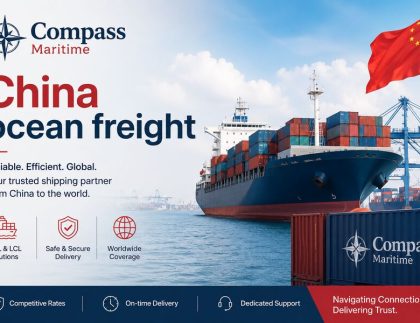
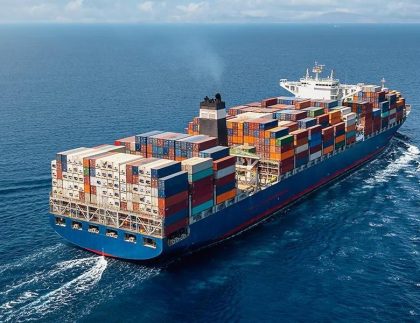
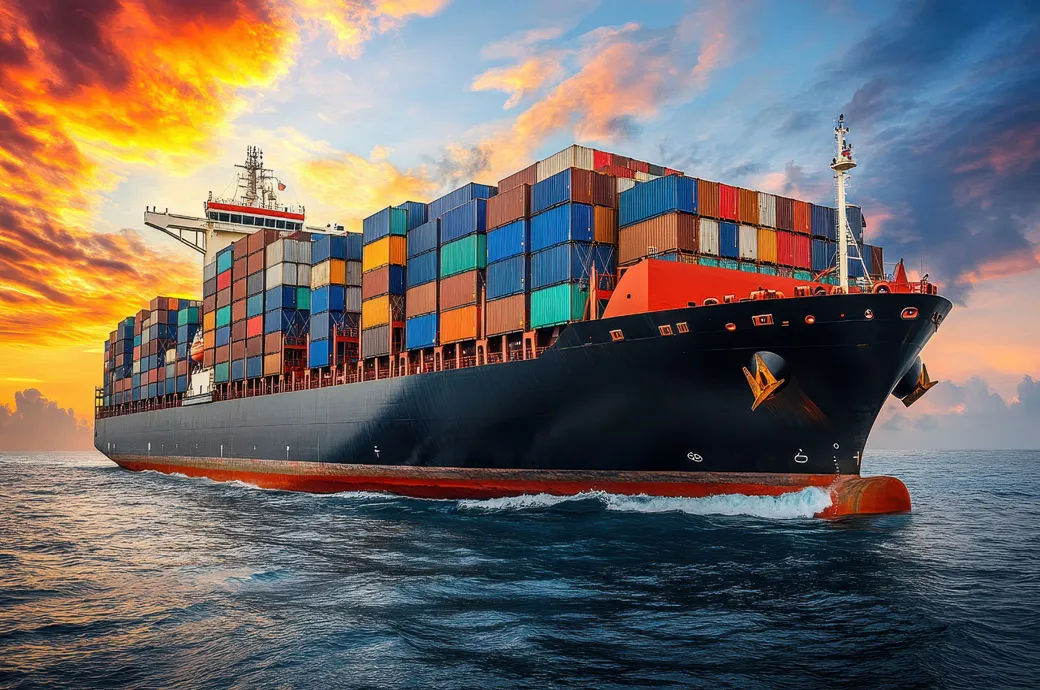
Ocean freight refers to the transportation of goods by cargo ships across international waters. It is the dominant mode of global trade, accounting for approximately 90% of the world’s traded goods by volume. From raw materials to finished consumer products, nearly everything that crosses a border has likely spent time aboard a container vessel.
There are two primary modes of ocean freight:
- FCL (Full Container Load): You book an entire container for your goods — ideal for large shipments.
- LCL (Less than Container Load): Your goods share container space with other shippers — perfect for smaller volumes.
Both options serve different business needs, and choosing the right one is the first step toward efficient ocean freight management.
The Challenges of Ocean Freight Transportation
Ocean freight is powerful, but it’s not without its obstacles. Here are the most common challenges businesses face:
1. Transit Times and Delays
Ocean shipping is inherently slower than air freight. A shipment from Asia to Europe can take 20 to 35 days depending on the route. Add to that port congestion, customs clearance delays, and adverse weather conditions, and your carefully planned delivery window can quickly slip.
2. Port Congestion
Major global ports — from Shanghai to Rotterdam to Los Angeles — frequently experience congestion. This can add days or even weeks to a shipment’s journey, disrupting downstream operations and customer commitments.
3. Fluctuating Freight Rates
Ocean freight rates are notoriously volatile. Rates can spike dramatically during peak seasons (such as pre-holiday demand surges) or during global disruptions (as seen during the COVID-19 pandemic). Planning a budget to account for these fluctuations is one of the biggest challenges for logistics managers.
4. Documentation and Compliance
Ocean freight involves a complex web of documentation — bills of lading, commercial invoices, packing lists, certificates of origin, and customs declarations. A single error can result in delays, fines, or seized shipments.
5. Cargo Damage and Loss
While ocean carriers maintain high safety standards, goods can still be damaged or lost at sea due to rough weather, improper packing, or mishandling of containers. Understanding liability and insurance coverage is critical.
6. Environmental Regulations
The shipping industry is under increasing pressure to reduce its carbon footprint. New IMO (International Maritime Organization) regulations are pushing carriers to adopt cleaner fuels and more efficient vessels — costs that are often passed down to shippers.
Understanding Ocean Freight Costs
One of the most important aspects of ocean freight transportation is understanding what you’re actually paying for. The total cost is rarely just the base freight rate. Here’s a breakdown:
Base Freight Rate
This is the fundamental cost to move a container from the origin port to the destination port. It’s priced per container (FCL) or per cubic meter or weight (LCL).
Origin and Destination Charges
These include port handling fees, terminal fees, and documentation charges at both ends of the journey.
Fuel Surcharges (BAF)
Bunker Adjustment Factor (BAF) is a variable surcharge tied to global fuel prices. As fuel costs rise, so does this charge.
Customs Duties and Taxes
Import duties vary by country and commodity. Understanding the tariff classification of your goods is essential to predicting total landed costs.
Inland Transportation
Getting cargo from the port to its final destination — whether by truck or rail — adds another layer of cost and planning.
Cargo Insurance
While not mandatory, cargo insurance is highly recommended. The cost is typically a small percentage of the cargo’s value but provides significant protection.
Demurrage and Detention
If your container sits at the port beyond the free storage period or is returned late, you’ll face demurrage and detention fees, which can escalate quickly.
Pro Tip: Always request a detailed quote that itemises every charge. Hidden fees are one of the most common frustrations in ocean freight — and at Compass Maritime, we believe in full cost transparency from day one.
Best Practices for Ocean Freight Transportation
Whether you ship occasionally or manage complex global supply chains, these best practices will help you get the most out of ocean freight transportation.
Plan Ahead and Book Early
Ocean freight schedules fill up quickly, especially during peak seasons. Booking your cargo 4–6 weeks in advance gives you better rates and more vessel options.
Choose the Right Incoterms
Incoterms (International Commercial Terms) define who is responsible for what — shipping, insurance, customs clearance — at every stage of the journey. Choosing the wrong Incoterm can leave you exposed to unexpected costs and liabilities.
Pack and Label Correctly
Improper packing is a leading cause of cargo damage. Use appropriate packaging materials, follow weight distribution guidelines, and ensure all labels meet destination country requirements.
Work with a Reliable Freight Forwarder
A trusted freight forwarder like Compass Maritime doesn’t just book space on a ship — they manage documentation, negotiate rates, handle customs, track your shipment, and solve problems before they become crises.
Invest in Cargo Insurance
Don’t leave the fate of your goods to chance. A comprehensive cargo insurance policy gives you peace of mind plus financial protection against unforeseen events.
Track Your Shipments in Real Time
Modern ocean freight solutions offer real-time tracking. Knowing exactly where your cargo is at any moment allows you to proactively manage exceptions and keep customers informed.
Understand Customs Requirements Early
Every country has its own import regulations. Research the requirements for your destination market well in advance to avoid costly clearance delays.
Build a Flexible Supply Chain
Disruptions will happen. The businesses that navigate them best are those with contingency plans — alternative routes, backup suppliers, and buffer stock strategies built into their operations.
Why Choose Compass Maritime for Your Ocean Freight Needs?
At Compass Maritime, we specialize in delivering seamless ocean freight transportation solutions to businesses trading globally. Our team combines deep industry expertise with a hands-on, customer-first approach to ensure your cargo moves efficiently, safely, and cost-effectively — no matter where in the world it’s headed.
We handle the complexity so you can focus on what matters most: growing your business.
Our ocean freight services include:
- FCL and LCL shipments worldwide
- Port-to-port and door-to-door delivery
- Full customs clearance support
- Cargo insurance arrangements
- Real-time shipment tracking
- Dedicated account management
Final Thoughts
Ocean freight transportation is the lifeblood of global commerce — but it demands careful planning, expert knowledge, and the right partners. By understanding the challenges, anticipating costs, and applying proven best practices, your business can turn the high seas into a competitive advantage.
Ready to simplify your ocean freight? Get in touch with Compass Maritime today, and let’s chart a smarter course together.
Have questions about ocean freight transportation? Drop them in the comments below — we’d love to help!