Arranging an international shipment involves far more than booking a vessel or securing space on a flight. For businesses importing and exporting goods through Ireland, the process involves multiple stages of transport, documentation requirements, customs procedures, and coordination among carriers, ports, and inland haulers. This is exactly where freight forwarding companies in Ireland become useful – not simply as booking agents, but as logistics partners who manage the moving parts of a shipment on your behalf.
What Does a Freight Forwarding Company Do?
A freight forwarder coordinates the movement of cargo on behalf of a business or individual, from origin to destination. In practice, that means arranging collection, selecting and booking carriers, preparing shipping documentation, handling port or airport formalities, managing customs declarations, and coordinating final delivery.
The distinction matters: a freight forwarder does not simply transport a pallet from one address to another. They plan the route, manage the handover points between transport modes, and handle the paperwork that accompanies the cargo. For an importer bringing goods into Ireland, that might mean coordinating ocean freight from a supplier’s factory to Dublin Port, clearing customs on arrival, and arranging nationwide delivery from there. For an exporter, the process runs in the opposite direction.
Why Irish Businesses Use Freight Forwarders
International shipping involves multiple parties, suppliers, carriers, port authorities, and customs agencies, and coordinating among them takes time and specialist knowledge that most businesses simply do not have in-house.
Consider some of the situations Irish businesses encounter:
- Importing commercial goods from outside the EU, where customs classification and import duties apply
- Exporting Irish-manufactured products to international markets with specific documentation requirements
- Moving heavy plant machinery or construction equipment across borders
- Shipping a consignment that does not fill a full container – and does not warrant paying for one
- Managing a time-sensitive shipment that cannot wait for the next available sailing
- Transporting oversized or non-standard cargo that requires specialist handling
In each case, having a single logistics partner managing the end-to-end process reduces the risk of delays caused by gaps between service providers.
How to Choose Among Freight Forwarding Companies in Ireland
Not every freight forwarder in Ireland offers the same range of services, and the right choice depends on the nature of your shipment. When evaluating options, consider the following:
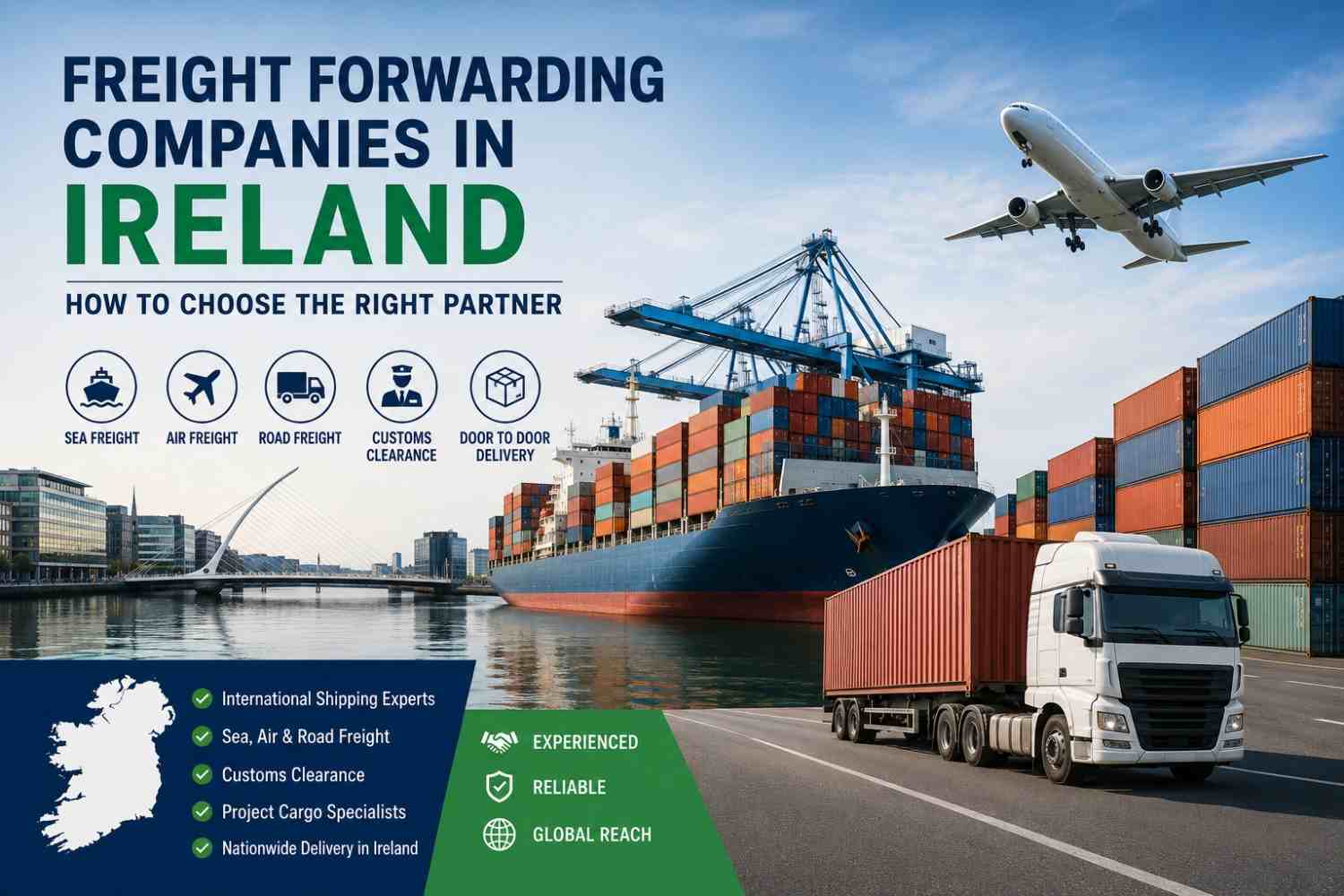
- Range of transport options – Can they handle sea, air, and road freight? A forwarder with access to multiple modes gives you flexibility based on urgency and volume.
- Customs knowledge – International shipments require accurate documentation. A forwarder who understands Irish customs procedures and import/export requirements can help avoid delays at the border.
- Cargo experience – Have they handled your type of goods before? Machinery, vehicles, and out-of-gauge loads require different expertise than standard palletized cargo.
- International coverage – Can they coordinate shipments across multiple countries and trade lanes?
- Shipment visibility – Can you track your cargo and receive updates throughout the process?
- Handling of unusual cargo – Can they manage project cargo, heavy lifts, or oversized equipment?
- Local logistics capability – Can they arrange collection and nationwide delivery within Ireland?
- Communication: Is there a single point of contact throughout the shipment, rather than a rotating help desk?
Sea Freight, Air Freight, Road Freight, and Groupage
The transport mode for any shipment depends on the cargo itself – its weight, volume, urgency, and destination.
Sea Freight
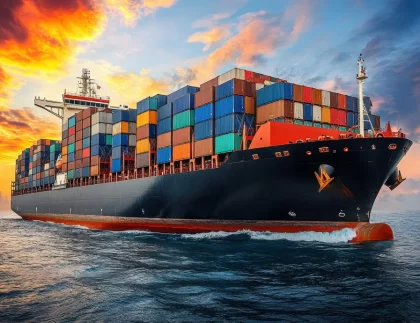
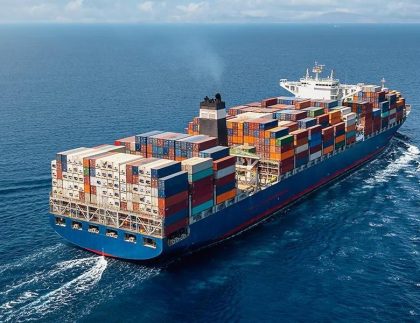
Ocean freight is typically the most practical option for large or heavy international shipments, particularly those moving in full containers. Whether a business is importing goods from outside Europe or exporting products to markets in the Americas, Asia, or further afield, container shipping remains the standard for significant volumes.
Air Freight
Air freight carries a higher cost per kilo than sea freight, but transit times are considerably shorter. For time-sensitive goods, components needed urgently, high-value shipments, or cargo with a short shelf life, air freight can make practical and commercial sense, even at a premium.
Road Freight
Land transport handles European overland movements and plays an essential role in connecting port or airport arrivals with their final destinations. It is also the default mode for intra-European trade where sea or air would be disproportionate.
Groupage
For businesses that do not have enough cargo to fill an entire container, groupage freight allows smaller consignments to share container space with other cargo heading in the same direction. This avoids paying for unused space while still accessing the cost structures of ocean freight.
Why Customs Clearance Matters
Customs clearance is not a formality that happens automatically. It is a process that requires accurate, complete documentation to proceed without interruption.
For imports, this typically involves a customs declaration, a commercial invoice, a packing list, a bill of lading or air waybill, and, depending on the goods, additional permits or certificates. For exports, the requirements vary by destination. Errors or omissions in any of these documents can cause a shipment to be held at a port or airport while the issue is resolved.
Addressing customs requirements before a shipment moves, not as an afterthought, is one of the practical differences between a managed freight forwarding service and simply booking transport. A forwarder who understands the documentation process can identify possible problems early and ensure the right paperwork is in order for both departure and arrival.
Which Types of Cargo Can Freight Forwarders Handle?
Cargo varies significantly in terms of handling requirements, and the logistics plan should reflect the nature of the goods being moved.
Standard containerized commercial goods are straightforward. But other cargo categories require additional planning:
- Vehicles and trucks require roll-on/roll-off or container transport, depending on the route
- Plant machinery and heavy equipment – weight, dimensions, and loading access all affect which transport options are viable
- Project cargo – large-scale or multi-component shipments that require coordination across multiple stages
- Out-of-gauge cargo – loads that exceed standard container dimensions and require specialist equipment, permits, or route assessments
- Personal effects and household goods typically require careful packing and documentation for customs purposes
For oversized or unusual cargo, planning starts well before the shipment moves. Dimensions, weight, port access restrictions, and equipment requirements must be confirmed in advance.
Why Location Matters for an Irish Freight Forwarder
Dublin Port is the primary gateway for sea freight to and from Ireland, handling a significant share of the country’s import and export volumes. Dublin Airport serves as the hub for air cargo. A freight forwarder with an operational base between these two hubs is better placed to coordinate the transition between international freight and inland transport, whether that means receiving a container at port and arranging onward delivery, or collecting goods from a business in Ireland for export.
Proximity to these facilities does not shorten transit times on ocean or air routes, but it does matter for coordinating port handling, customs formalities, and local collection and delivery.
Why Businesses Consider Compass Maritime
Compass Maritime is an Irish-owned, independent freight forwarder based between Dublin Port and Dublin Airport, with more than 25 years of experience in the freight and shipping industry.
The company handles a range of freight requirements, including ocean freight, air freight, road transport, groupage, container shipping, customs clearance, and specialist cargo such as plant and machinery, project cargo, out-of-gauge loads, and vehicle and truck shipping. Compass Maritime works with both commercial clients and individuals, providing nationwide collection and delivery services across Ireland.
As an independent forwarder, the company is not tied to a single carrier or shipping line, allowing logistics planning to be based on shipment requirements rather than a preferred commercial relationship.
Choosing the Right Partner
Before selecting a freight forwarding company in Ireland, it is worth being clear about the specifics of your shipment – the origin and destination, the type of goods, the dimensions and weight, the required delivery timelines, and any applicable customs or documentation requirements.
A forwarder who can answer those questions clearly and who has handled comparable cargo before is more likely to deliver a shipment without unexpected delays or complications.
If you are planning an international shipment and want to speak with an experienced Irish freight forwarder, contact Compass Maritime for a quote or reach out directly to discuss your requirements.