Every product on a store shelf or delivered to your door has a story that starts long before it reaches you. Behind the scenes, an intricate global network moves goods across oceans and skies, connecting factories, farms, and warehouses to customers worldwide. Air and sea freight sit at the heart of this network, each playing a distinct role in keeping international trade moving. This post walks through that journey step by step and looks at how logistics partners such as Compass Maritime help guide cargo safely from origin to destination.
Choosing the Right Mode of Transport
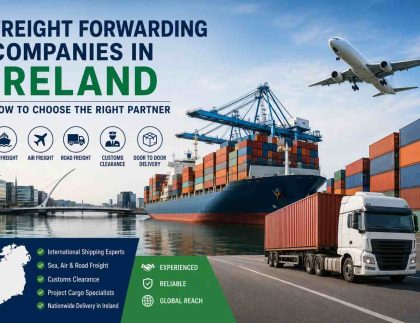
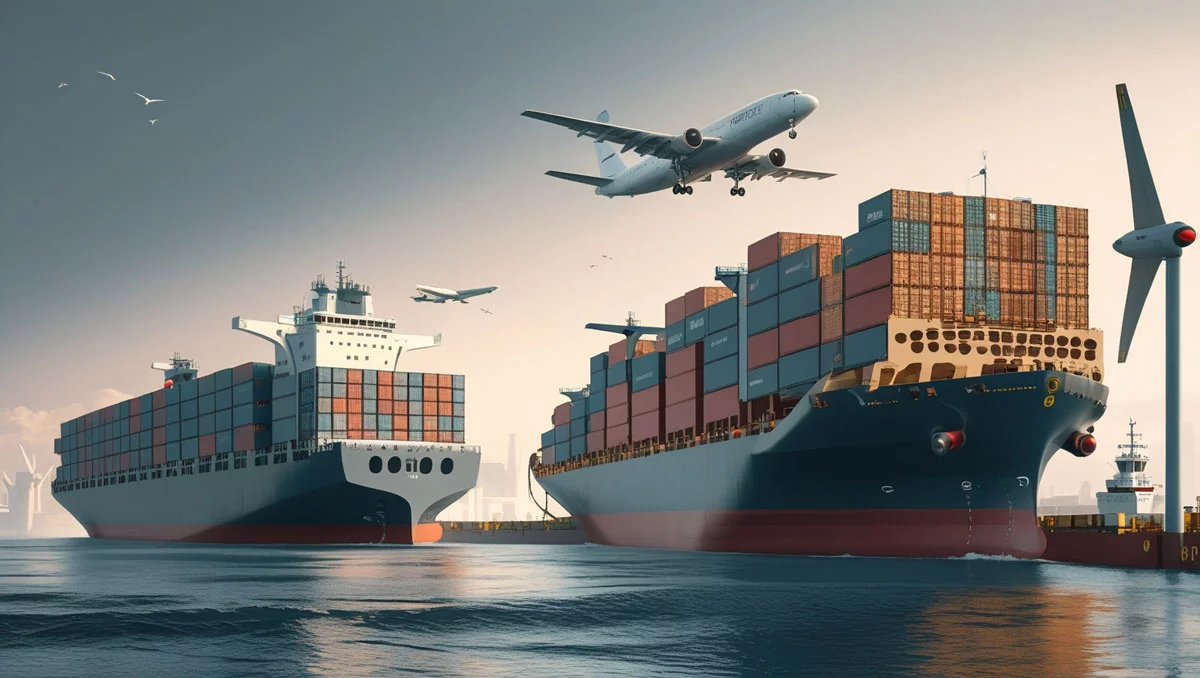
Before a single box moves anywhere, a decision has to be made: does this shipment travel by air or by sea? That choice depends on a mix of factors, including how quickly the goods are needed, their value, and how much space they take up. Air freight wins out when speed matters most—think perishable goods, urgent parts, or high-value electronics—even though it comes at a premium. Sea freight, by contrast, is the workhorse of global trade, handling the bulk of the world’s cargo volume at a fraction of the cost, provided there’s time to spare.
Loading and Securing Cargo
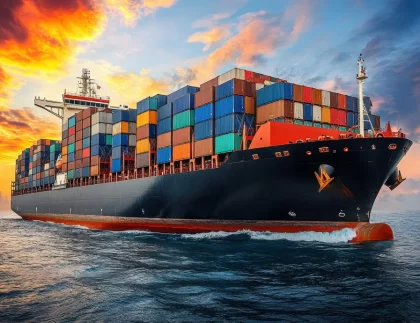
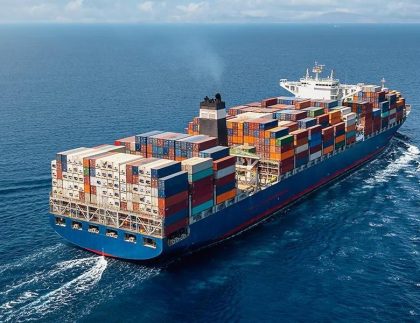
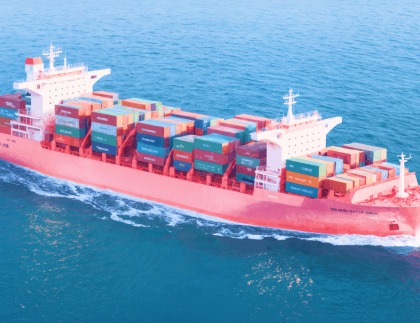
Once a shipping method is settled on, the physical loading process begins. Air cargo is packed into specially designed containers or pallets that fit the curved shape of an aircraft’s hold, then secured with restraint systems built to handle the stress of takeoff, turbulence, and landing. Sea freight follows a different logic entirely: goods are packed into standardized shipping containers, which are then stacked dozens of units high and wide across the deck of massive container vessels, engineered to carry thousands of containers at once.
Monitoring and Tracking Shipments
Once cargo is underway, visibility becomes just as important as the physical journey itself. Modern freight relies heavily on GPS tracking, RFID tagging, and digital documentation to keep tabs on exactly where a shipment is at any given moment. For logistics providers like Compass Maritime, this real-time data isn’t just a convenience; it enables teams to spot delays early, reroute around disruptions, and keep customers informed every step of the way.
Transit Points and Coordination
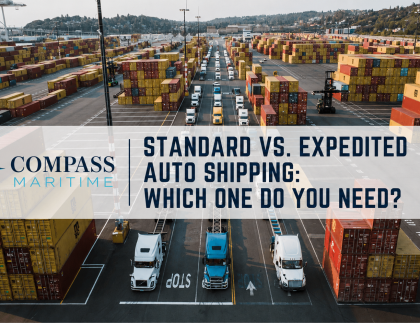
Few shipments travel a single straight line from origin to destination. Most pass through several hubs along the way—airports, seaports, or inland transfer points—where cargo is unloaded, inspected, and handed off to the next carrier. Each of these transitions demands tight coordination between customs authorities, port and airport staff, and freight handlers, since even a small delay at one checkpoint can ripple through the entire schedule.
Arrival and Final Delivery
Reaching the destination country is a milestone, but it isn’t the end of the road. From the port or airport, goods still need to be transported to a warehouse or distribution center, where they’re checked for damage, sorted, and prepared for onward delivery. This final stretch, often called the last mile, can be surprisingly challenging, requiring careful planning to navigate local roads, regulations, and delivery windows before the goods finally reach the end customer.
The Role of Logistics Providers
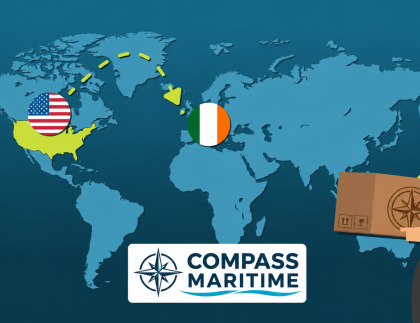
None of this happens by accident. Coordinating dozens of moving parts across different countries, carriers, and regulatory systems requires deep expertise and strong global relationships. This is where providers like Compass Maritime add real value, acting as the connective tissue between shippers and the wider freight ecosystem, and using technology and experience to keep goods moving smoothly no matter how complex the route.
Conclusion
The journey from cargo hold to warehouse is rarely simple, but it’s what keeps modern commerce running. As global trade continues to grow and customer expectations for speed and reliability rise, air and sea freight will remain essential pillars of the supply chain. With experienced partners like Compass Maritime managing the details, businesses can trust that their goods will reach the market safely, efficiently, and on time, wherever in the world that market is.