Importing products from China can help Irish businesses access competitive manufacturing prices, a wider range of products, and international suppliers. However, transporting goods between these countries requires careful planning, the right shipping method, accurate documentation, and an understanding of Irish customs regulations.
Whether importing commercial stock, electronics, furniture, construction materials, or industrial machinery, choosing the right logistics solution can make the process more efficient. This guide explains how to ship goods from China to Ireland, including transportation options, shipping costs, customs clearance, and important considerations for importers.
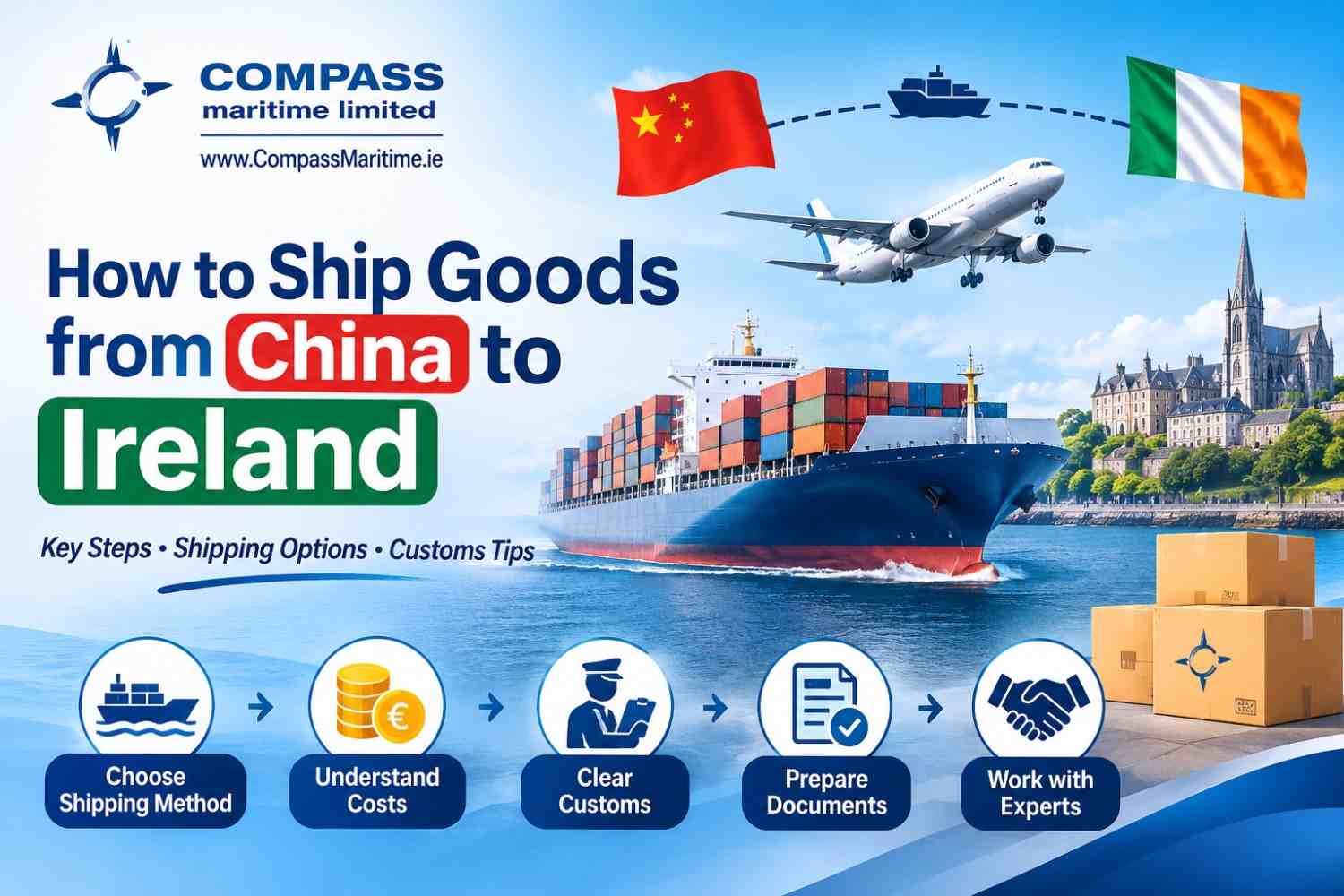
1. Choose the Right Shipping Method
The first step is to select a transportation method based on the shipment’s size, weight, delivery deadline, and budget. Several options are available for shipping goods from China to Ireland.
Sea Freight
Sea freight is generally the most economical option for large, heavy, and bulk shipments. It is particularly suitable for businesses importing furniture, machinery, building materials, and commercial inventory.
Importers can choose between:
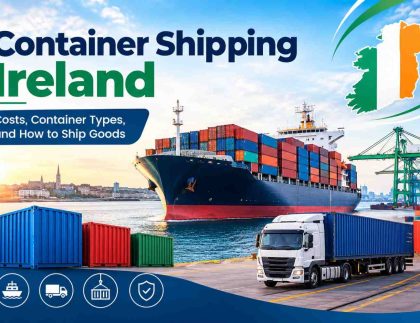
- FCL (Full Container Load): A dedicated shipping container for one shipment, suitable for larger cargo volumes.
- LCL (Less than Container Load): Goods share container space with other shipments, making it practical for smaller consignments.
Explore ocean freight shipping services to understand how international container transportation can support your shipping requirements.
Air Freight
Air freight is a suitable choice when delivery speed is more important than transportation costs. It works well for urgent orders, valuable products, electronic components, and smaller commercial shipments.
Although air cargo generally costs more than sea transportation, it can help businesses maintain stock levels and meet important delivery deadlines. Learn more about air cargo services in Ireland.
Road and Rail Freight
Rail and road transportation can support multimodal shipping arrangements between China and Ireland. These options may involve rail transportation across parts of Asia and Europe, followed by road delivery to the final destination.
Their suitability depends on route availability, cargo specifications, border requirements, and delivery schedules.
2. Understand Shipping Costs from China to Ireland
The cost of shipping from China to Ireland depends on several factors. There is no single price that applies to every shipment.
The main cost considerations include:
- Cargo weight and dimensions: Larger or heavier consignments generally require more transportation capacity.
- Shipping method: Air freight usually costs more than sea freight for comparable commercial cargo.
- Origin and destination: Collection locations, departure ports, and final delivery addresses affect overall charges.
- Seasonal demand: Peak shipping periods can increase freight rates and reduce available capacity.
- Additional services: Insurance, customs brokerage, handling, and storage may add to the final cost.
Businesses should calculate their total landed cost rather than considering freight charges alone. This includes the product purchase price, transportation, insurance, customs duty, import VAT, and other applicable fees.
3. Prepare for Irish Customs Clearance
Since China is outside the European Union, goods entering Ireland must complete the relevant import customs procedures. Preparing the necessary information before dispatch can help prevent unnecessary delays.
Irish importers should pay attention to the following requirements:
- EORI number: Businesses importing commercial goods into Ireland generally need an Economic Operators Registration and Identification number.
- HS codes: Harmonized System codes identify products and help determine applicable customs duty rates.
- Import VAT: Ireland’s standard VAT rate is 23% for most goods, although specific products may qualify for different rates.
- Customs declarations: Import shipments must be declared through Ireland’s Automated Import System (AIS).
- Product compliance: Certain goods require additional certificates, licenses, safety documentation, or regulatory approvals.
Customs duty depends on the product classification, customs value, and applicable tariff measures. Importers should verify the correct classification and requirements before arranging transportation.
4. Prepare the Required Shipping Documents
Accurate documentation is essential when importing products from China. Missing or inconsistent information can lead to customs queries, additional charges, and delivery delays.
Common documents include:
- Commercial invoice: Contains product descriptions, quantities, transaction value, and buyer and seller information.
- Packing list: Shows package quantities, dimensions, and gross and net weights.
- Bill of Lading: Provides shipment details and serves as an important transport document for sea freight.
- Air Waybill: Used for air cargo shipments.
- Certificate of Origin: May be required to verify where the products were manufactured.
- Additional certificates: Depending on the product, import licenses or conformity documents may be necessary.
Businesses should also agree on Incoterms with their suppliers. Terms such as FOB, CIF, and DDP establish how transportation costs, responsibilities, and risks are allocated between the buyer and seller.
5. Work with an Experienced Freight Forwarder
Managing international transportation involves coordinating suppliers, carriers, customs documentation, cargo handling, and final delivery. An experienced freight forwarding partner can simplify these arrangements and help businesses select an appropriate shipping solution.
When comparing logistics providers, consider their international network, communication, customs knowledge, insurance options, and ability to manage different cargo types.
Freight forwarding companies in Ireland can help businesses understand the logistics support available for international shipments.
Compass Maritime provides international freight forwarding solutions, including ocean freight, air freight, customs clearance, and specialist cargo transportation. Its Irish-based team works with a global shipping network to coordinate shipments according to individual requirements.
6. Tips for Avoiding Shipping Delays
A few practical steps can make importing from China more straightforward:
- Verify your supplier and confirm product specifications before dispatch.
- Arrange suitable packaging to protect goods during long-distance transportation.
- Check customs requirements and product restrictions in advance.
- Confirm shipping responsibilities and charges through agreed Incoterms.
- Consider cargo insurance for valuable or sensitive shipments.
- Allow additional time for customs inspections and seasonal transportation delays.
Frequently Asked Questions
How long does it take to ship goods from China to Ireland?
Sea freight generally takes around 30–40 days, while air freight can take approximately 5–10 days. Actual delivery times depend on routing, handling, customs clearance, and final delivery arrangements.
What is the cheapest way to ship goods from China to Ireland?
Sea freight is usually the most economical option for large commercial shipments. LCL shipping can help smaller importers avoid paying for an entire container.
Do I need an EORI number to import goods into Ireland?
Yes. Businesses importing goods from outside the EU generally need a valid EORI number for customs declarations and related import procedures.
What taxes apply when importing from China to Ireland?
Most imported products are subject to applicable EU customs duties and Irish import VAT. The exact charges depend on the product classification, customs value, and applicable tax rules.
Final Thoughts
Understanding how to ship goods from China to Ireland helps businesses make better transportation decisions, manage import expenses, and avoid common customs problems. From choosing between sea and air freight to preparing documentation and calculating landed costs, every stage requires proper planning.
Working with an experienced logistics partner such as Compass Maritime can help coordinate international transportation and simplify the shipping process. Businesses can also explore Irish shipping solutions to discuss their freight requirements and find a suitable arrangement for their cargo.